What is Digital Marketing Anyway?
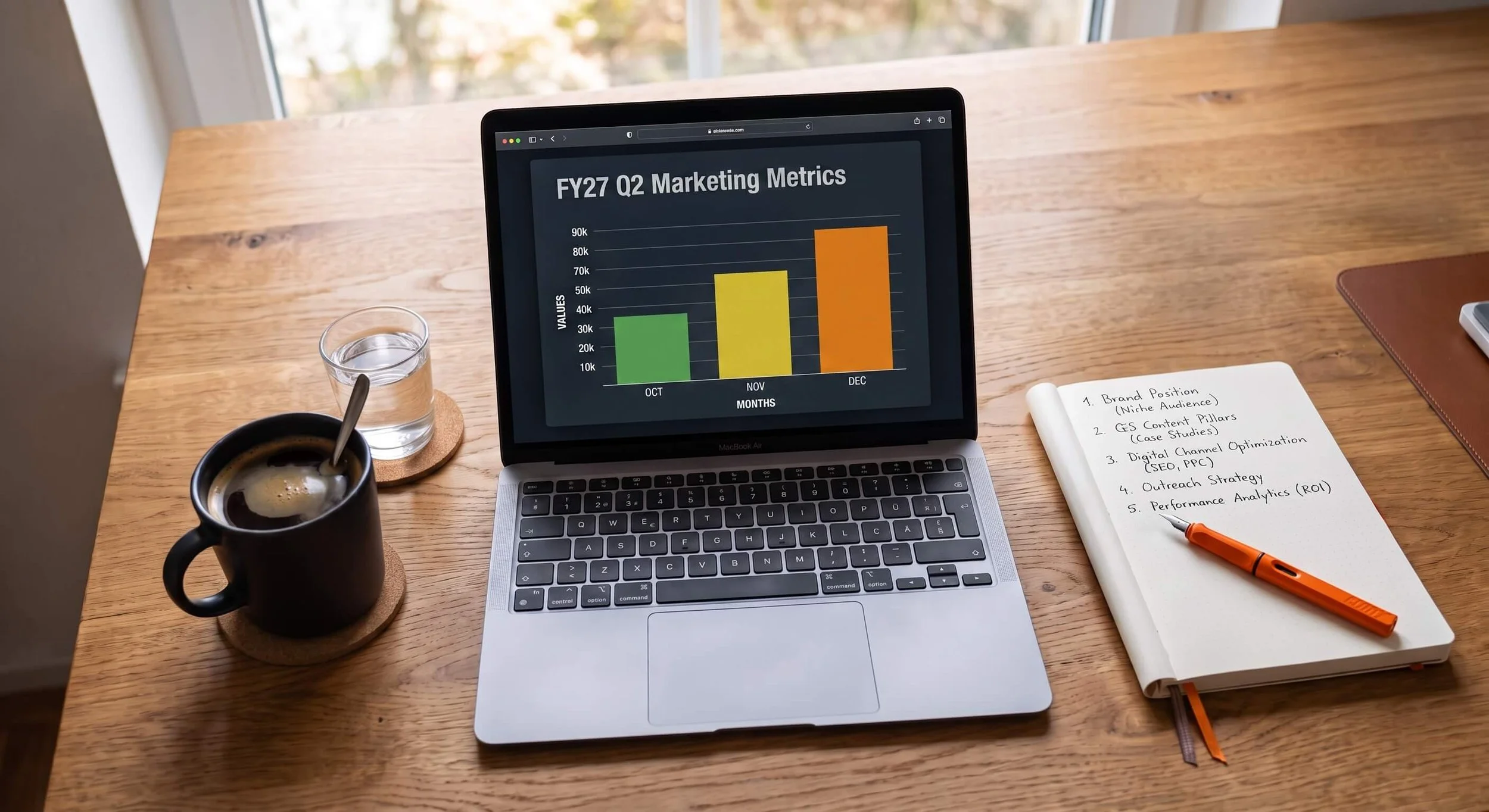
True digital marketing isn't about vanity metrics; it's a measurable, data-driven engine for business growth.
If you operate a growing small business, you know that marketing has evolved tremendously over the years, and continues to do so today. It’s a lot for anyone to keep up with, particularly someone running a small business.
We know that as a business owner, you don’t have time for fluff. You just want to know what works, why it works, and how to implement it to deliver more jobs.
Depending on who you ask, you’ll get a variety of answers to the question: What is digital marketing?
To some it’s like learning a foreign language (our Grandmas still have no idea what we do for a living), to others it’s straight up obnoxious, and to others, it’s a subconscious afterthought at best. The reality is that like many things, it’s nuanced. Everyone has their own definition, including marketing agencies.
Our objective here is simple: provide small business owners with free marketing guidance. In this article, we cut the crap and share the truth the industry. We’ll break down:
What digital marketing is
Why it matters for you, a small business owner, and
How it can help you AND your customers by connecting them with the products or services you offer

The Four Main Types of Marketing
Before diving into the digital ecosystem, it helps to know the four buckets everything fits into. While tactics constantly change, strategy remains largely the same. These are the four main types of marketing:
Traditional marketing
Traditional marketing is all marketing that happens offline. This includes print, broadcast, direct mail, phone, and out-of-home advertising like billboards and posters. For a local contractor, this looks like yard signs placed at job sites, truck wraps, and door hangers left on neighboring properties. While traditional marketing lacks the precise attribution of a web click, it remains a powerful tool for establishing local brand dominance and anchoring trust in a specific community.
Digital marketing
Digital marketing leverages online channels such as search engines, social media platforms, websites, and mobile applications to connect a business with its prospective and current customers. It is the practice of capturing attention where consumers currently spend the vast majority of their time: staring at screens. Its distinct advantage is the ability to track, measure, and optimize your spending down to the cent, so you're not paying to reach people who were never going to buy.
Content marketing
Content marketing is a strategic approach focused on creating and distributing valuable, relevant, and consistent media to attract and retain a clearly defined audience. It is a long-term play. Instead of pitching your services directly, you are delivering genuinely useful information that solves a customer's micro-problems, ultimately driving profitable customer action when they are ready to make a major purchase.
Relationship marketing
Relationship marketing is designed to foster customer loyalty, continuous interaction, and long-term engagement. Rather than focusing solely on a single, one-off transaction, this approach prioritizes lifetime customer value. For a home service business, this means implementing maintenance plans, annual inspection reminders, and priority service agreements that keep a customer tethered to your business for decades.
Within each of these four buckets, you have a variety of subgroups. Examples include:
You’ve also got audience-focused marketing: B2B and B2C.
Understanding where your business fits within these subsets dictates exactly how you should spend your advertising budget.
Digital Marketing Deep Dive
When you decide to transition your budget away from print and radio, you enter a highly fragmented online ecosystem. There are several main subgroups within digital marketing. Understanding the mechanics of each ensures you are not throwing good money after bad.
1. Social Media Management
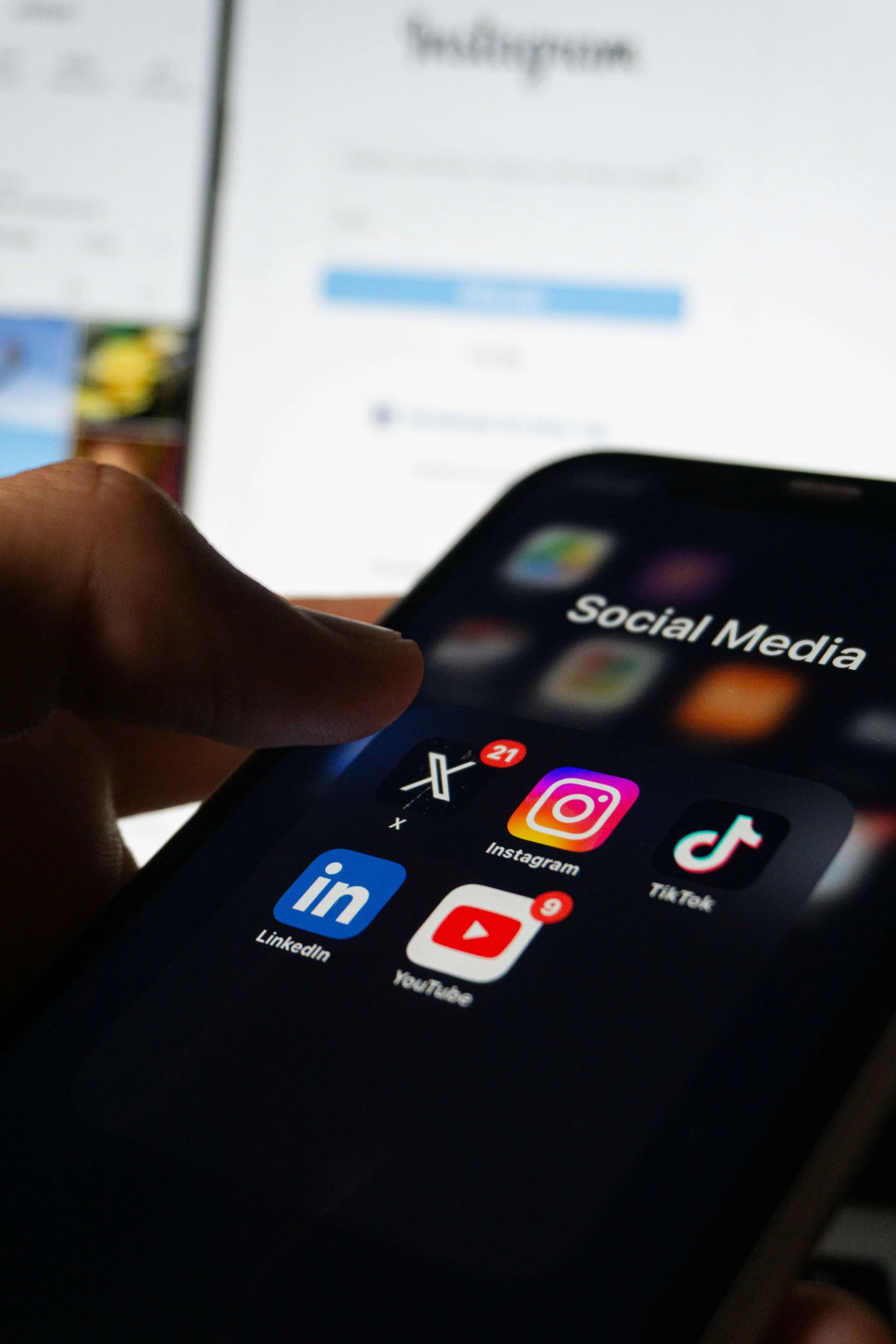
Social media is often misunderstood by many small businesses as a place strictly for lifestyle brands, teenagers, or chronically online blue-haired baristas. In reality, it is a critical validation tool. When a homeowner is about to hand you $15,000 for a new roof, they are going to look you up on social platforms to verify that your crew is legitimate, professional, and currently active.
We’re proud of the things we’ve achieved for our clients through social media. By shifting away from generic, canned social posts and instead highlighting authentic, behind-the-scenes content of real teams solving real problems and delivering real value to their customers, we routinely see engagement skyrocket. Social media allows you to humanize your business, tell your story, and display the expertise of your team in a way that builds immense trust before the phone ever rings.
2. Email Marketing
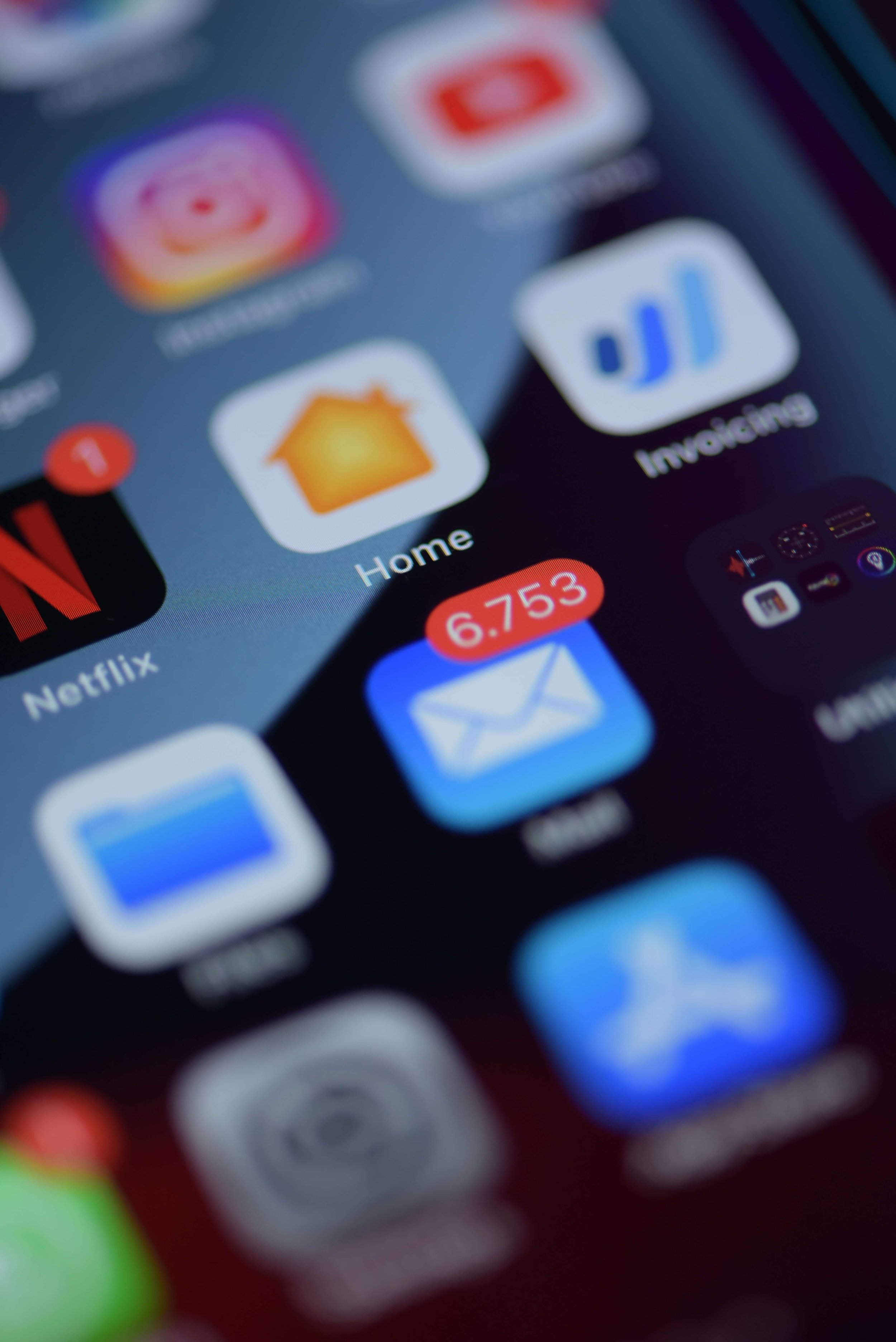
Do not let anyone tell you that email is dead. Email marketing remains one of the highest ROI channels on the internet because this is where warmer leads live. When someone hands over their contact information, they are inviting you to speak directly to them.
You Own the Asset: It’s your only owned-channel. If a social media platform changes its algorithm or suddenly shuts down your ad account, your email list remains entirely yours. It is an unshakeable digital asset.
Seamless Data Capture: Modern email software integrates seamlessly with website providers, allowing you to grow the list automatically. By placing simple capture forms on your site, you turn anonymous web traffic into a tangible pipeline of prospects.
Strategic Incentives: It is great for running sales, discounts, etc. in exchange for customer data. Offering a $50 coupon on a first-time service call in exchange for an email address is a highly profitable trade that secures your ability to market to that homeowner for life.
3. Digital Advertising
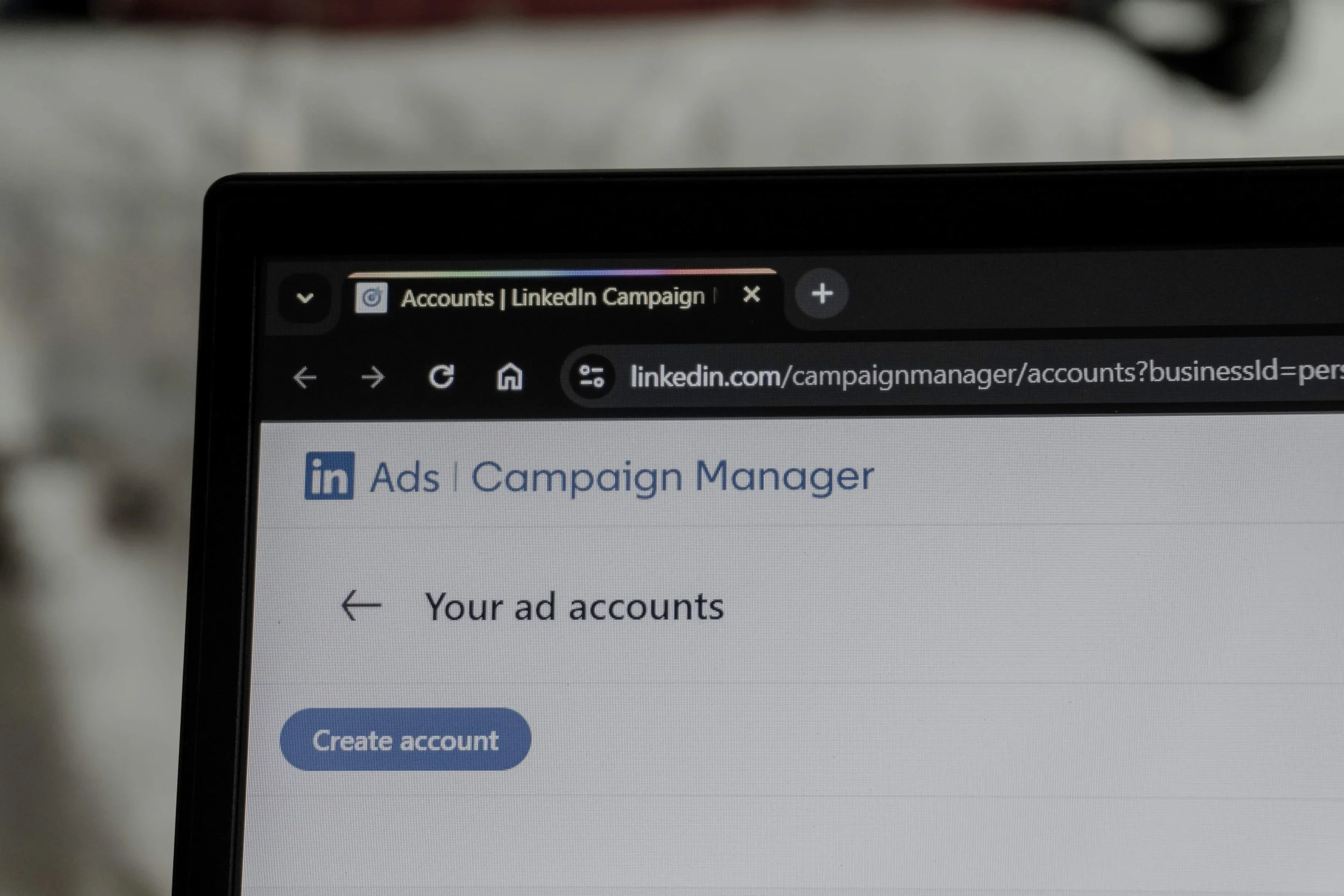
Organic reach will only take a business so far. Digital Advertising includes social media advertising, Google advertising, and PPC on websites. This is where businesses purchase their traffic to guarantee volume.
For service contractors, Pay-Per-Click (PPC) via Google Ads is the undisputed king of bottom-of-funnel intent. If a customer has a flooded basement at 2:00 AM, they do not scroll through Facebook looking for a plumber; they search Google and click the very first link they see. A highly optimized digital advertising strategy ensures your business captures that premium, high-intent traffic while filtering out the low-margin tire kickers.
4. Search Engine Optimization (SEO)
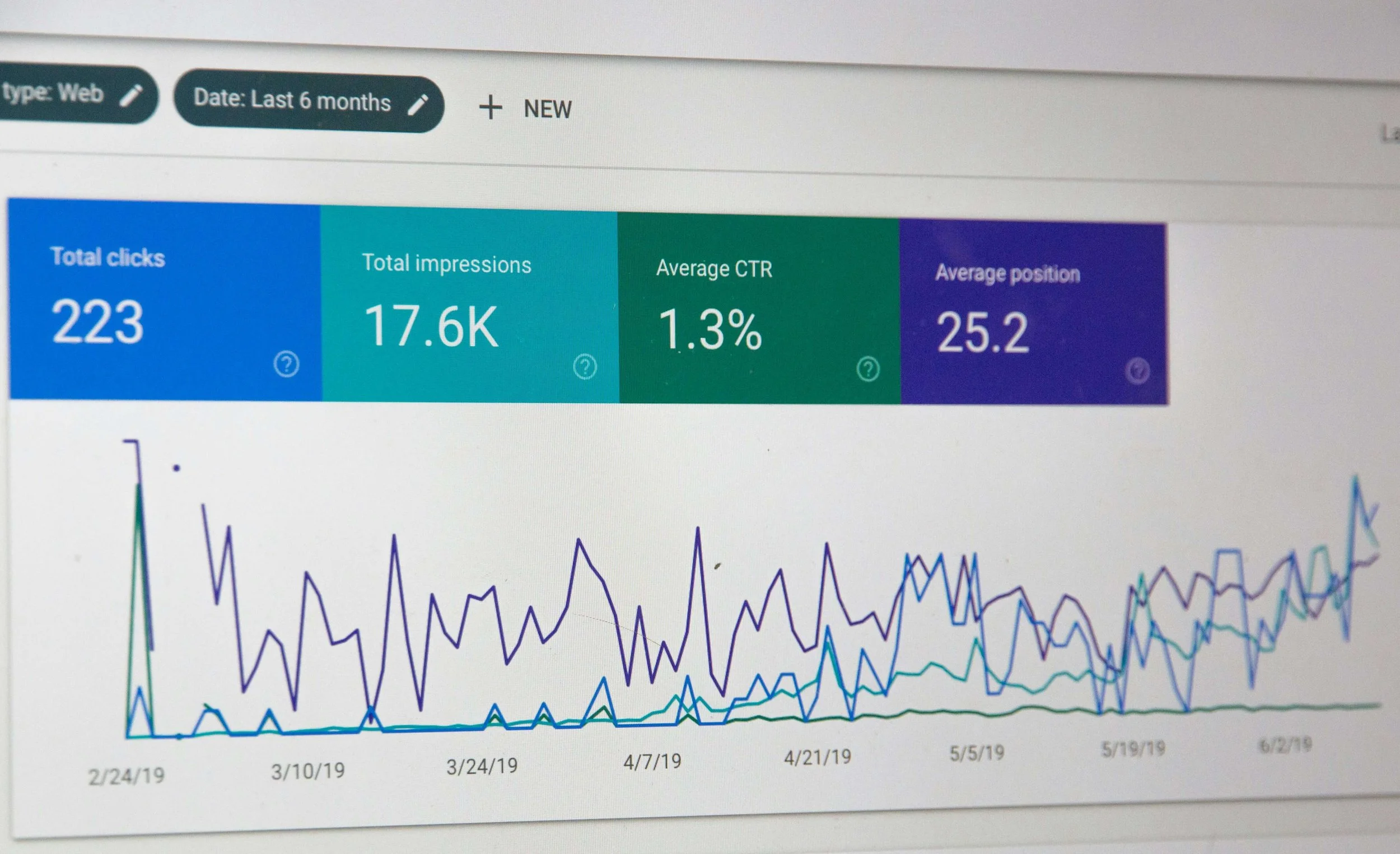
While digital advertising buys you immediate traffic, Search Engine Optimization (SEO) builds equity in your website so you eventually earn that traffic for free. SEO is the technical and creative process of signaling to search engines that your website is the most authoritative, relevant answer to a user's specific query.
The long-term impact of a sound organic strategy is staggering, and we have proven the examples of what you can achieve with SEO (using Hermleigh Digital Northern Rivers Caravan Repair case study). By auditing technical site architecture, executing hyper-local keyword strategies, and restructuring service pages to answer specific consumer questions, we helped transition a business from being invisible on the web to dominating the top organic spots in their target region. That organic dominance effectively operates as a 24/7 sales representative that never asks for a commission.
5. Content Marketing (Honorable Mention)

While content marketing sits entirely in its own distinct bucket, it requires an honorable mention here because the overlap with digital marketing is massive. Think of it this way: digital marketing provides the distribution channels—the paid ads, the search engine rankings, the email blasts. Content marketing is the actual fuel you pour into those channels.
Today, the line between the two is incredibly blurred, largely due to digital mediums like YouTube and the explosion of industry podcasts. Recording an in-depth video tutorial or hosting an educational podcast about your specific industry is fundamentally content marketing, but it relies entirely on the digital ecosystem to be discovered and consumed. Without high-quality, relevant content to actually hold a prospect's attention, your digital marketing campaigns are simply pushing expensive traffic toward an empty shell of a brand.
What Digital Marketing Looks Like at a Small Business
The principles of digital marketing are universal, but the execution differs wildly depending on your business model, customer lifecycle, and average ticket price.
The Boutique Retailer Example
Let's look at a boutique retailer example. A local clothing or goods store operates in a highly visual, emotionally driven, Business-to-Consumer (B2C) space.
For this business, digital marketing leans heavily into visual social media platforms and influencer partnerships to drive top-of-funnel awareness. Their advertising budget is best spent on retargeting campaigns,showing dynamic image ads to people who visited their website but abandoned their shopping carts. Additionally, their email marketing strategy is paramount; they will rely heavily on seasonal promotions, weekly new-arrival blasts, and exclusive VIP discounts to drive repeat foot traffic and online sales. The core focus here is frequent, highly aesthetic touchpoints designed to trigger impulse buys and foster intense brand loyalty.
The Emergency Plumbing Example
Conversely, let's examine an emergency plumbing example. A plumbing contractor operates in a need-based, B2B and B2C environment where the average transaction value is significantly higher, and the purchase intent is drastically different.
Nobody wakes up excited to shop for a sewer line repair. Therefore, an emergency plumber does not need to heavily invest in visual lifestyle content on social media. Instead, their digital marketing ecosystem should be built as a high-conversion operation to funnel everything toward one action: a phone call. Their content marketing efforts should focus purely on technical authority, utilizing SEO to rank for highly specific, high-ticket services. For the plumber, digital marketing isn't about brand affinity. It's a machine for attracting highly-qualified phone calls from people who are ready to hire someone today.
Digital
Marketing
is the fundamental
infrastructure required to
operate a profitable,
scalable business
in the modern economy.
Takeaways
Digital marketing is not a magic wand, nor is it an optional vanity project. It is the fundamental infrastructure required to operate a profitable, scalable business in the modern economy. It demands rigorous strategy, relentless testing, and a deep understanding of consumer buying psychology.
At Hermleigh Digital, this is what we’re all about. We pride ourselves on our experience in the industry and our knowledge of its evolution. We offer a variety of services designed specifically to strip away non-sense and deliver concrete, measurable results that impact your bottom line. Vanity metrics and cookie-cutter, one-size-fits-all campaigns simply aren’t our thing.
Growing a business is hard enough without having to guess if your marketing is actually working. If you're tired of vanity metrics and ready for a digital strategy that drives predictable revenue, we should talk. Your business deserves a strategic partner who actually maximizesyour ad spend.
Want to see exactly how a no-nonsense digital strategy translates into real-world revenue? → Read the Case Study: How we drove massive growth for Northern Rivers Caravan Repairs
Ready to stop paying for empty clicks? → Book your free, no-nonsense strategy call today
